Furnace Not Igniting or House Won't Heat Evenly? Here's Why
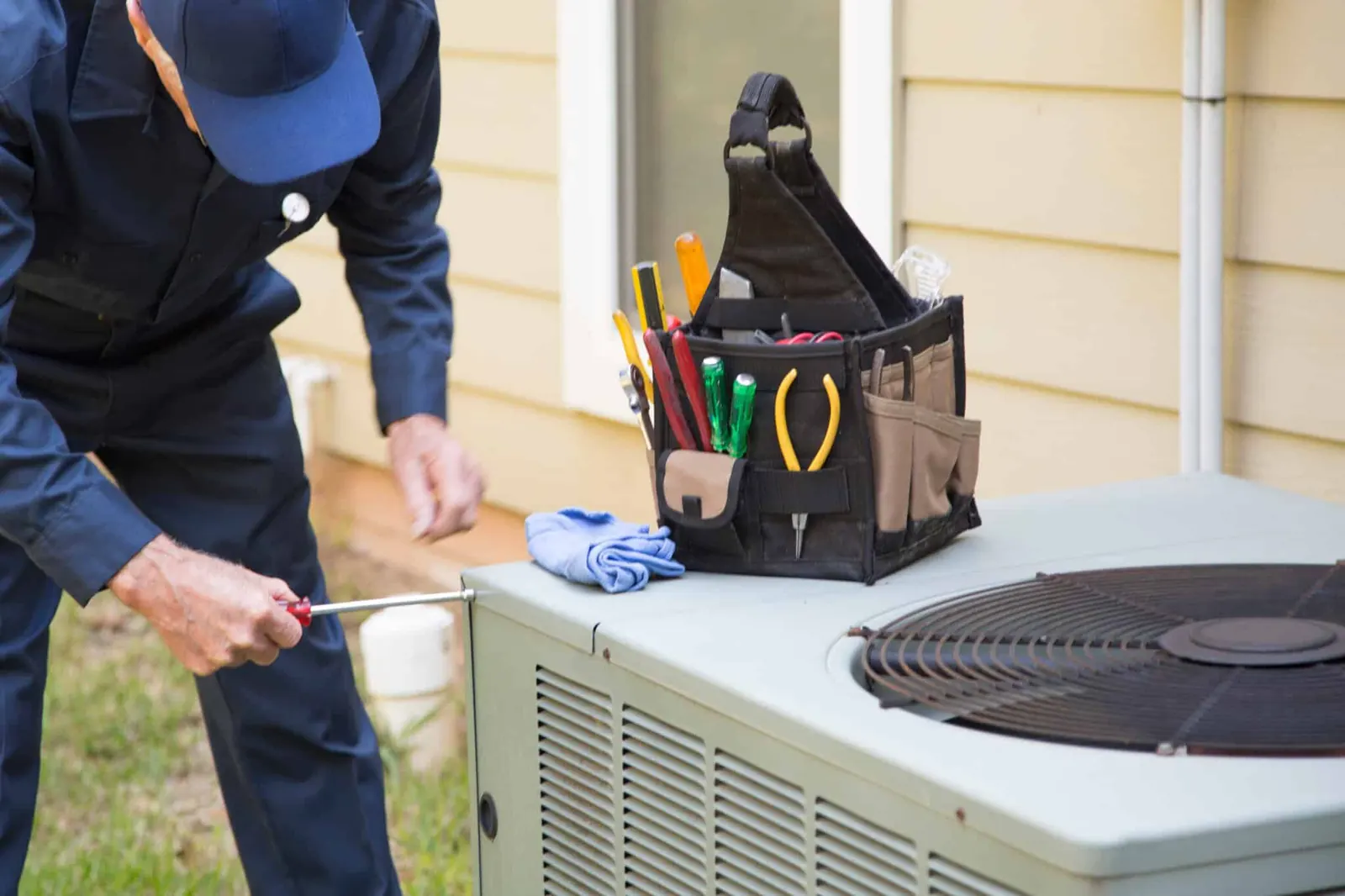 HVAC
HVACNothing tests a home's comfort systems quite like the extremes of a Midwest winter or a brutal summer heat wave, and few things are more stressful than an HVAC or furnace system failing right when you need it most. Because these systems combine mechanical, electrical, and combustion components, the range of possible failures is wider than almost any other appliance in your home — which makes proper diagnostics essential rather than optional.
A furnace that won't blow heat at all often comes down to one of a few usual suspects: a failed ignitor or pilot light, a malfunctioning thermostat that isn't communicating properly with the unit, a tripped safety switch, or a clogged air filter restricting airflow enough to trigger a safety shutoff. That last one is worth mentioning specifically because it's the most preventable — a dirty filter is one of the leading causes of unnecessary furnace service calls, and a simple filter swap on a seasonal schedule prevents a surprising number of no-heat emergencies.
Uneven temperatures throughout the house — a chilly upstairs and a warm downstairs, for example — point to a different category of problem, usually related to ductwork, blower motor speed settings, or a system that's undersized or oversized for the square footage it's serving. This is a case where a full diagnostic assessment matters more than a quick part swap, since fixing the wrong component won't resolve a distribution issue.
On the cooling side, similar logic applies: a system blowing warm air, cycling on and off too frequently (known as short-cycling), or failing to keep up with outdoor temperatures often traces back to refrigerant levels, a failing compressor, or electrical control issues rather than anything obvious from the thermostat.
Our trained, experienced technicians handle both heating and cooling systems, gas and electric, with the training to work safely around combustion components and refrigerant systems alike. We perform full diagnostic checks rather than guessing at parts, because a misdiagnosed HVAC repair doesn't just waste money — it leaves you exposed to the exact temperature extremes you were trying to avoid. If your furnace won't ignite, your AC isn't keeping up, or your home's temperature feels inconsistent room to room, reach out to Aerotech Solution for a full system evaluation.
Common Causes
HVAC and furnace problems span mechanical, electrical, and combustion systems, so the same complaint can point in very different directions depending on what's actually failed.
A thermostat set incorrectly
One of the most overlooked causes of warm air from an AC system is a thermostat set to 'Fan' instead of 'Cool' or 'Auto' — the system runs and moves air, but never actually cools it.
A clogged air filter
Restricts airflow enough to cause the system to overheat and, in cooling mode, can lead to frozen evaporator coils that block proper heat exchange.
Low refrigerant from a leak
Without the correct refrigerant charge, the system can't absorb heat properly. Refrigerant work is handled in accordance with applicable EPA requirements, not a DIY top-off.
A failed capacitor
This small component powers the blower motor's start and run cycle; when it fails, the blower may struggle to start, run intermittently, or not turn on at all.
A failed ignitor, pilot light, or flame sensor
The most common reasons a furnace won't produce heat even though the blower is running.
A cracked heat exchanger
A serious safety issue on older furnaces that can allow combustion byproducts, including carbon monoxide, to enter the airflow — this always warrants professional inspection, not a DIY assessment.
Signs You Need Professional Repair
The AC runs but never actually cools the house
Especially after ruling out the thermostat mode — this points to airflow, refrigerant, or compressor issues.
The furnace attempts to start but shuts off quickly
Often a safety switch responding to a real problem, such as restricted airflow or a flame sensor issue, rather than a nuisance to reset repeatedly.
Ice visible on the indoor unit or refrigerant lines
A sign of restricted airflow or low refrigerant — turn the system off and let it thaw rather than continuing to run it.
New banging, squealing, or rattling sounds
Banging can indicate delayed ignition in a furnace; squealing often points to a blower motor belt or bearing issue.
A noticeable rise in energy bills
A system working harder than it should to reach the thermostat's setting often shows up on the utility bill before it's obvious any other way.
Common Problems
AC blowing warm air is most often the thermostat fan setting, a clogged filter causing frozen coils, or low refrigerant from a leak — in roughly that order of likelihood before assuming a compressor failure.
Furnace won't start can mean the thermostat isn't calling for heat correctly, a tripped breaker or blown fuse, a pilot light that's gone out, or on electronic ignition systems, a faulty ignitor that isn't producing the clicking sound it should during startup.
HVAC making loud noises breaks down by type: banging during furnace startup often means delayed ignition; squealing points to a blower motor belt or bearing; and rattling from the outdoor unit can mean a loose panel or debris caught in the fan.
Uneven heating or cooling between rooms is usually a ductwork, blower speed, or system-sizing issue rather than a single failed part, and typically calls for a full assessment rather than swapping components one at a time.
How Professionals Diagnose the Problem
We start with the basics that are easy to overlook — thermostat mode and settings, breaker status, and filter condition — before moving to component-level testing, since these account for a meaningful share of 'no heat' or 'no cool' calls.
From there, we test the capacitor, blower motor, and ignition components directly, and on cooling systems, check refrigerant pressure using gauges rather than guessing based on symptoms alone.
For furnaces, we inspect the heat exchanger as a standard safety check whenever a unit is older or showing signs of inconsistent operation, given the carbon monoxide risk a cracked exchanger presents.
Repair Process
We explain what's actually wrong in plain terms and provide a fixed price before any repair begins.
Capacitor, ignitor, thermostat, and filter-related repairs use parts commonly stocked on the service vehicle. Refrigerant leak repairs or heat exchanger replacement may take longer if a model-specific part needs to be sourced after diagnosis, depending on the scope of the repair.
Every repair concludes with a full system test — confirming the unit reaches and holds the set temperature — before we consider the job complete.
Repair vs Replacement
Furnaces typically last 15–20 years and AC condensers around 12–15 years. The decision usually comes down to which component failed and how the system has performed overall.
Ignitor, capacitor, or thermostat issues
Affordable repairs worth doing at nearly any point in the system's life.
Compressor failure on a unit older than 12 years
Worth comparing directly against full system replacement cost.
A cracked heat exchanger
Given the safety implications, this is one repair where replacement of the furnace is often the more sensible path rather than attempting a component fix.
Frequent repairs combined with rising energy bills
A strong signal to evaluate replacement even if no single repair has been especially costly.
Preventive Maintenance Tips
Replace or clean filters every 1–3 months during heating and cooling season
The single most preventable cause of the service calls we respond to.
Schedule a professional tune-up before each season
Catches small issues, like a weakening capacitor, before they become no-heat or no-cool emergencies.
Keep the outdoor condenser clear of debris and landscaping
Restricted airflow around the outdoor unit reduces cooling efficiency.
Don't block interior vents and registers
Furniture or rugs covering vents contribute to uneven temperatures throughout the house.
Have ductwork inspected periodically
Especially in older homes, since leaks or poor sizing are common causes of rooms that never feel comfortable.
Safety Tips
Never ignore a suspected cracked heat exchanger
This can allow carbon monoxide into your home's airflow and always requires professional inspection.
Install and test carbon monoxide detectors near sleeping areas
A basic safeguard for any home with a gas furnace, regardless of the unit's condition.
Leave the home and call your gas utility if you smell gas near the furnace
Don't operate light switches or appliances on your way out, and don't attempt any repair yourself — treat a gas odor as an emergency, not a maintenance item.
Stop the system and shut off power at the breaker if you notice a burning electrical smell
Have the unit inspected before running it again rather than continuing to operate it.
Don't keep resetting a breaker that trips repeatedly
Repeated tripping points to an underlying electrical fault and needs professional diagnosis rather than continued resets.
Let a frozen coil thaw before restarting the system
Running a frozen AC system can cause further damage to the compressor.
Don't attempt refrigerant handling yourself
This work is handled in accordance with applicable EPA requirements, and improper handling is both a safety and environmental hazard.
Treat a total loss of heating or cooling during extreme outdoor temperatures as urgent
Extended exposure to extreme indoor temperatures is a genuine health risk, particularly for young children, older adults, and anyone with a medical condition.
Cost Factors
HVAC and furnace repair cost depends heavily on the specific component. Ignitors, capacitors, and thermostats are generally the most affordable repairs. Refrigerant leak repairs and blower motor replacement cost more due to labor and part complexity.
Compressor replacement is typically the most expensive single-component repair, which is why it's the main trigger point in the repair-versus-replace decision.
We provide a fixed, written quote after diagnosis and before any repair work begins.
Why Choose Aerotech Solution Inc.
Our trained, experienced technicians handle both heating and cooling systems, gas and electric, running full diagnostic checks rather than guessing at parts — a misdiagnosed HVAC repair doesn't just waste money, it leaves you exposed to whatever temperature extreme you were trying to fix.
Every repair includes a transparent, upfront quote and is backed by our workmanship warranty. We prioritize no-heat and no-cooling emergencies, and can be reached Monday–Saturday, 9:00 AM–5:00 PM Central Time.
When to Call a Professional
Checking the thermostat mode, replacing the filter, and clearing debris from the outdoor unit are reasonable DIY steps. A furnace that won't start after basic checks, a cracked heat exchanger, or any refrigerant-related issue is where professional diagnosis is both the practical and the safe choice.
Frequently Asked Questions
Why is my AC blowing warm air?
The most common cause is the thermostat set to 'Fan' instead of 'Cool' or 'Auto.' Beyond that, a clogged filter causing frozen coils or low refrigerant from a leak are the next most likely causes.
Why won't my furnace start?
Check the thermostat mode and setting, then the circuit breaker. Beyond that, a pilot light that's gone out or a faulty ignitor not producing its usual clicking sound during startup are common causes.
Why is my HVAC making loud noises?
Banging during furnace startup often means delayed ignition. Squealing points to a blower motor belt or bearing issue. Rattling from the outdoor unit can mean a loose panel or debris in the fan.
How often should HVAC be serviced?
We recommend a professional tune-up before both the heating and cooling seasons each year, in addition to changing filters every 1–3 months.
How long does HVAC last?
Furnaces typically last 15–20 years, while AC condensers last around 12–15 years, both with reasonable maintenance.
How much does HVAC repair cost?
It depends on the component — ignitors, capacitors, and thermostats are generally affordable, while refrigerant leak repairs and compressor replacement cost more. We provide a fixed quote after diagnosis.
Why is one room in my house always colder or warmer than the rest?
Usually related to ductwork sizing, blower motor speed settings, or a system that's undersized or oversized for the square footage it serves.
Is a cracked heat exchanger dangerous?
Yes, it can allow carbon monoxide into your home's airflow. This always requires professional inspection and, in most cases, furnace replacement rather than a component repair.
Why does my AC have ice on it?
Restricted airflow from a clogged filter or low refrigerant are the most common causes. Turn the system off and let it thaw before restarting, then have it inspected.
Do you offer emergency HVAC repair?
Yes, no-heat and no-cooling emergencies are prioritized given how quickly extreme temperatures can become a safety concern, and our technicians are available Monday–Saturday, 9:00 AM–5:00 PM Central Time to respond.
Do you service both furnaces and central air conditioning?
Yes, our trained, experienced technicians handle both heating and cooling systems across all major brands.
What brands of HVAC systems do you repair?
We service all major brands, including Carrier, Trane, Rheem, Goodman, Lennox, and York, among others.
Related Reading
Furnace and water heater problems have a habit of showing up in the same cold snap. Our homeowner's guide to water heater troubleshooting covers the most common causes of no hot water.
If this sounds like what you're dealing with, our trained, experienced technicians offer emergency HVAC and furnace repair with same-day appointments available based on technician availability, service location and the time the request is received, backed by a workmanship warranty.