Microwave Not Heating? What's Safe to Check and What Isn't
 Kitchen
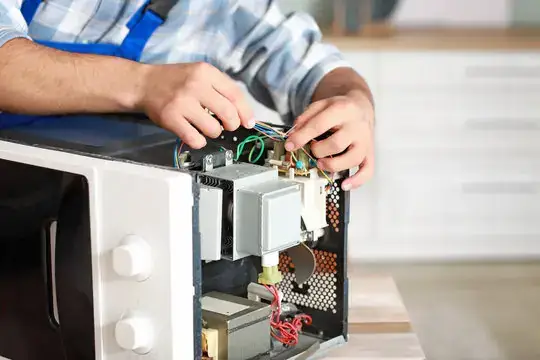
A microwave that runs but doesn't heat is one of the most common — and most misunderstood — appliance complaints. The turntable spins, the display lights up, the timer counts down, but your coffee comes out just as cold as it went in. It's a strange failure mode, and it's exactly the kind of problem that tempts people to pop off the case and take a look inside. We'd strongly advise against it.
Microwaves store extremely high-voltage electrical charge in their capacitors, even after the unit is unplugged. This isn't like inspecting a toaster — an untrained attempt to diagnose a microwave's internals carries a real risk of serious injury. The most likely cause of a no-heat symptom is a failed magnetron, the component that actually generates the microwave energy, though it can also stem from a blown high-voltage diode, a failing capacitor, or a faulty door interlock switch refusing to let the magnetron fire for safety reasons.
Speaking of door interlocks, a microwave that won't start at all, or that stops mid-cycle when the door is even slightly out of alignment, is almost always a switch problem rather than anything electrical. These switches wear out from years of daily door slams, and replacing them is usually a quick, affordable fix once properly diagnosed. Sparking inside the cavity is a different animal entirely — while occasionally caused by stray metal or a fork left in a dish, persistent arcing without an obvious cause often means the waveguide cover has worn through or there's a deeper issue with the magnetron itself.
Touchpad and control panel failures round out the common complaints, particularly on higher-end built-in models with digital displays. A membrane that's become unresponsive after years of use can often be replaced without needing to touch the high-voltage components at all.
Our technicians are trained specifically in safe high-voltage discharge procedures before ever opening a microwave's cabinet, whether it's a simple countertop model or a built-in drawer unit. Given the safety risks involved, this is one appliance category where a quick internet fix genuinely isn't worth attempting. If your microwave has stopped heating, is sparking, or won't respond to the touchpad, let Aerotech Solution's trained team handle it safely.
Common Causes
Microwave problems fall into two categories: high-voltage component failures that require a trained technician, and mechanical or cleanliness-related issues that are more approachable — knowing which is which matters for your safety.
A failed magnetron
This is the component that actually generates microwave energy, and its failure is the leading cause of a unit that runs but doesn't heat.
A blown high-voltage diode or capacitor
Both can produce the exact same no-heat symptom as a failed magnetron, which is why proper testing matters more than guessing.
A greasy or burnt waveguide cover
This small panel on the cavity wall is actually the single most common cause of a stuck turntable — vaporized grease coats the floor of the microwave and effectively glues the turntable's support wheels in place, a cause that's frequently overlooked in favor of blaming the motor.
A worn door interlock switch
A safety feature that can prevent the unit from starting at all if it's failed, even though the rest of the microwave is functioning normally.
Chipped or worn interior paint
Using steel wool or abrasive cleaners inside the cavity can scratch the protective coating, exposing metal that can spark during operation.
A failed turntable motor or drive coupler
The mechanical cause of a non-spinning turntable when grease buildup isn't the culprit.
Signs You Need Professional Repair
The microwave runs but food stays cold
The classic symptom of a magnetron, diode, or capacitor failure.
Visible sparking or arcing inside the cavity
Can be caused by metal, a damaged waveguide cover, or chipped interior paint — stop using the unit immediately if you see this.
A burning smell or smoke
Unplug the unit right away if it's safe to do so, and don't use it again until it's been inspected.
The turntable doesn't turn
Often a greasy waveguide cover rather than a motor failure, though both are possible.
The touchpad doesn't respond
A worn control membrane is common on units that have seen years of daily use.
The door won't latch or close fully
This should be treated as a priority repair since the interlock switches are a core safety feature.
Common Problems
Microwave not heating is the most common complaint, and while a failed magnetron is the leading cause, a blown high-voltage diode, a failing capacitor, or a door interlock switch preventing the magnetron from firing can all produce the identical symptom — proper testing is the only way to tell them apart.
Microwave sparking is most often caused by stray metal or a damaged waveguide cover, but persistent arcing without an obvious cause can also point to chipped interior paint from abrasive cleaning, which exposes metal underneath.
Microwave won't turn on despite the outlet working is frequently a worn door interlock switch refusing to let the unit run as a safety measure, rather than a deeper electronic failure.
Turntable not spinning surprises a lot of people once they learn the cause: it's usually not the motor at all, but a greasy, food-soiled waveguide cover that has glued the support wheels in place. Cleaning it resolves the issue far more often than replacing the motor does.
How Professionals Diagnose the Problem
Before opening any microwave's cabinet, our technicians follow proper high-voltage discharge procedures — microwaves store dangerous charge in their capacitors even after being unplugged, which is why this is one appliance we never recommend diagnosing yourself.
For no-heat complaints, we test the magnetron, high-voltage diode, and capacitor individually rather than assuming which one failed. For turntable issues, we inspect the waveguide cover and support rollers before assuming a motor replacement is needed.
Door switch and control panel issues are tested with the unit safely discharged, confirming continuity through each interlock switch in sequence.
Repair Process
We explain the diagnosis in plain terms and provide a fixed price before any repair begins.
Door switch, waveguide cover, and turntable motor repairs use parts commonly stocked on the service vehicle. Magnetron or high-voltage component replacement may take slightly longer if a model-specific part needs to be sourced after diagnosis.
Every repair concludes with a full operational test, confirming the unit heats correctly and the turntable, door, and controls all function properly before we consider the job complete.
Repair vs Replacement
Microwaves generally have a shorter service life than other kitchen appliances, around 7–10 years, which makes the age of the unit matter more in this decision than it does for most appliances.
Door switch, waveguide cover, or turntable motor issues
Affordable and worth repairing at almost any age.
Magnetron replacement on a unit older than 8 years
Worth comparing directly against the cost of a new microwave.
Built-in and drawer microwaves
More expensive to replace due to cabinetry integration, which often tips the decision toward repair even on older units.
A unit still under warranty
Repair is almost always the right call regardless of the specific failure.
Preventive Maintenance Tips
Wipe down the waveguide cover regularly
Prevents grease buildup that's the leading cause of a stuck turntable — this is the single most useful habit for microwave longevity.
Avoid steel wool or abrasive cleaners inside the cavity
These scratch the protective interior paint and can lead to sparking over time.
Never run the microwave empty
Can damage the magnetron since there's nothing inside to absorb the emitted energy.
Check that the door closes and latches fully
A misaligned door can trigger interlock switches to prevent operation.
Avoid metal or metallic-trimmed dishware
A leading cause of sparking and arcing damage.
Safety Tips
Never attempt internal repairs yourself
Microwaves store high-voltage charge in their capacitors even after being unplugged, making this genuinely dangerous for anyone without proper training.
Stop using the unit immediately if you see sparks or smoke
Unplug it if it's safe to do so and don't use it again until it's inspected.
Clean the waveguide cover instead of scraping it
A damp cloth is enough — abrasive tools can damage the cover and lead to further arcing.
Keep the door seal area clean
Debris here can prevent a proper seal and, over time, allow microwave leakage.
Cost Factors
Microwave repair cost varies significantly by component. Door switches, waveguide covers, and turntable motors are relatively affordable. Magnetron, diode, or capacitor replacement costs more due to the specialized safe-handling procedures involved.
Built-in and drawer microwaves can carry higher parts costs than countertop models due to their integrated design.
We provide a fixed, written quote after diagnosis and before any repair begins.
Why Choose Aerotech Solution Inc.
Because microwaves store dangerous voltage even when unplugged, our technicians are specifically trained in safe high-voltage discharge procedures before opening any unit's cabinet — and we diagnose the actual failed component rather than defaulting to a full unit swap.
Every repair is backed by a workmanship warranty with pricing agreed upfront. Every unit is fully tested for heating performance and safety before we consider the repair complete.
When to Call a Professional
Wiping down the waveguide cover and cavity is a safe, worthwhile habit for any homeowner. Anything involving heating performance, sparking, or the internal components is where professional repair isn't just recommended — it's a genuine safety matter given the high-voltage components involved.
Frequently Asked Questions
Why isn't my microwave heating?
A failed magnetron is the most common cause, though a blown high-voltage diode, a failing capacitor, or a door interlock switch can produce the same symptom.
Why is my microwave sparking?
Stray metal is a common everyday cause, but a damaged waveguide cover or chipped interior paint from abrasive cleaning can cause persistent arcing without an obvious source.
Why won't my microwave turn on?
This is frequently a worn door interlock switch preventing operation as a safety measure, rather than an electronic failure elsewhere in the unit.
Why is the turntable not spinning?
Surprisingly, this is usually not the motor — a greasy, food-soiled waveguide cover often glues the turntable's support wheels in place. A failed motor or drive coupler is possible but less common.
Is it safe to repair a microwave myself?
No. Microwaves store high-voltage charge in their capacitors even after being unplugged, which makes internal repair genuinely dangerous without proper training. Cleaning the exterior and waveguide cover is safe; internal repairs are not.
How much does microwave repair cost?
It depends on the failed component — door switches and turntable motors are relatively affordable, while magnetron replacement costs more. We provide a fixed quote after diagnosis.
Do you repair built-in drawer microwaves?
Yes, we service built-in, drawer-style, over-the-range, and countertop microwaves across all major brands.
Is it worth repairing an older microwave?
For door switches, waveguide covers, and turntable motors, generally yes. Magnetron replacement on a unit older than 8 years is worth comparing against the cost of a new microwave.
Do you offer same-day microwave repair?
Same-day appointments may be available based on technician availability, service location and the time the request is received. Support hours are Monday–Saturday, 9:00 AM–5:00 PM Central Time.
What brands of microwaves do you repair?
We service all major microwave brands, including GE, Whirlpool, KitchenAid, Samsung, LG, and Frigidaire, among others.
Why does my microwave door not latch properly?
A worn or misaligned door interlock switch is the usual cause, and it's treated as a priority repair since these switches are a core safety feature.
Why is my microwave making a buzzing noise?
This can point to a failing high-voltage transformer or capacitor and is worth having inspected before continued use.
Related Reading
For problems with your range instead, our roundup of five signs your oven, stove, or cooktop needs repair covers the most common warning signs by appliance type.
If this sounds like what you're dealing with, our trained, experienced technicians offer microwave repair service with same-day appointments available based on technician availability, service location and the time the request is received, backed by a workmanship warranty.